








Why Aren’t More People Buying Over-The-Counter Hearing Aids?
When Frank Lin was in junior high, his grandma started wearing hearing aids. During dinner conversations, she was often painfully silent, and communicating by phone was nearly impossible. As a kid, Lin imagined “what her life would be like if she wasn’t always struggling to communicate.”
It was around that time that Lin became interested in otolaryngology, the study of the ears, nose, and throat. He would go on to study to be an ENT physician, which, he hoped, could equip him to help patients with similar age-related hardships.
Those aspirations sharpened during his residency at Johns Hopkins University School of Medicine in the late 2000s. Administering hearing tests in the clinic, Lin noticed that his colleagues had vastly different reactions to the same results in young versus old patients. If mild deficits showed up in a kid, “it would be like, ‘Oh, that hearing is critically important,’” said Lin, who today is the director of the Cochlear Center for Hearing and Public Health at Hopkins. But when they saw that same mild to moderate hearing loss in a 70-something patient, many would downplay the findings.
Yet today, research increasingly suggests that untreated hearing loss puts people at higher risk for cognitive decline and dementia. And, unlike during Lin’s early training, many patients can now do something about it: They can assess their own hearing using online tests or mobile phone apps, and purchase over-the-counter hearing aids, which are generally more affordable their predecessors and came under regulation by the Food and Drug Administration in October 2022.
Despite this expanded accessibility, interest in direct-to-consumer hearing devices has lagged thus far — in part, experts suggest, due to physician inattention to adult hearing health, inadequate insurance coverage for hearing aids, and lingering stigma around the issue. (As Lin put it: “There’s always been this notion that everyone has it as you get older, how can it be important?”) Even now, hearing tests aren’t necessarily recommended for individuals unless they report a problem.
Today, research increasingly suggests that untreated hearing loss puts people at higher risk for cognitive decline and dementia.
Meanwhile, interest has surged in other consumer audio products that are less expensive than most hearing aids and have features that may help with mild hearing loss: wearable devices like Apple’s AirPods and Sony’s LinkBuds. And this fall, the Consumer Technology Association, a trade group representing the $505 billion U.S. consumer technology industry, released a standard metric for consumer electronics products to report a person’s hearing status. While yearly sale estimates for hearing aids hover around 20 million units worldwide, the fast-growing global market for consumer earbuds now tops 300 million.
The trend has some experts — including Lin, who is a consultant for Apple and on the advisory board for Sharper Sense — wondering if public interest in hearing health could ultimately be driven less by the medical community and more by technology companies wanting to boost consumer awareness of their audio products.
About one in five Americans over the age of 12 struggles with hearing, and the percentage creeps higher with each decade of life. Among those who have reached their 70th birthday, roughly two-thirds have hearing difficulties. One vexing aspect is that hearing loss often emerges imperceptibly, with no obvious benchmarks to announce its arrival. “It’s very obvious when our vision starts to change. You can’t read the back of the soup can,” said Stephanie Czuhajewski, the executive director of the Academy of Doctors of Audiology. (Audiologists treat and manage hearing loss and balance disorders.) Yet with hearing loss, she said, “it sneaks up on you.”
Some people remain unaware of their hearing struggles despite test results showing clear deficits. In a national study of adults between the ages of 20 and 69, more than two-thirds of participants with demonstrated hearing loss believed their hearing was fine. Even in the subset with more pronounced difficulties, 43 percent continued to report that their hearing seemed normal. This may be, in part, because some everyday noises are subtle. People don’t remember that they used to hear background noises, for instance, like birds singing and leaves rustling, said Kate Carr, president of the Hearing Industries Association, a trade group. (Carr will retire from her position on Dec. 31 and become a strategic adviser for the organization.)
Hearing loss often emerges imperceptibly, with no obvious benchmarks to announce its arrival.
Part of what makes it hard to notice one’s own hearing loss is the body’s ability to adapt and accommodate. For nearly three decades, 54-year-old Geoff McKonly has only been hearing out of his left ear; in 1997, doctors cut his right auditory nerve during a surgery to remove a fast-growing tumor. Yet having lived more than half his life with just one working ear, “you do a lot to compensate,” said McKonly, a furniture maker in Southampton, Massachusetts. “Most of the time, it’s not something I even think about.”
While hearing loss may be common, only about one in three older adults who could benefit from hearing aids have used them, several estimates suggest. Adoption rates appear to be edging upward in recent years, though on the whole, have only risen modestly since the 1950s, when devices were larger and clunkier.
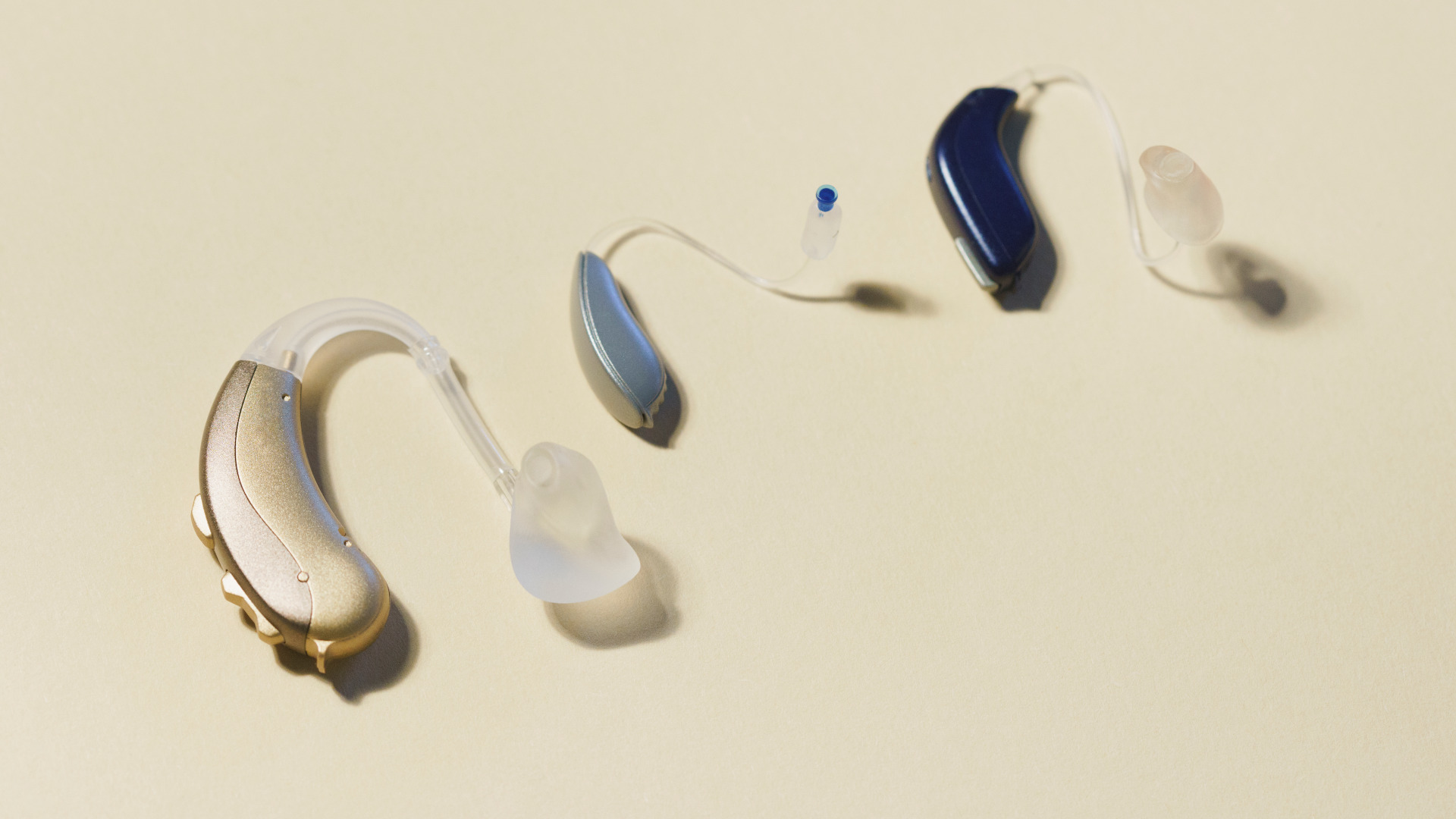
By comparison, today’s hearing aids are a technological marvel — tiny, lightweight, and often lasting a full day without charging. Why are they still underused?
Cost is a key barrier. A 2022 survey of more than 15,000 U.S. households, conducted by the Hearing Industries Association before the FDA established the over-the-counter category, identified 2,079 respondents who chose not to get hearing aids despite reporting having hearing loss. From a list of possible reasons, more than half chose “too expensive” as the top response.
The high cost of hearing aids largely stems from regulatory history. In 1977, the FDA started regulating hearing aids as medical devices. In that pre-digital era when hearing aids had to be manually programmed with a screwdriver, the FDA stipulated that companies could not sell the devices directly to consumers to prevent them from buying ineffective devices. Rather, hearing aids were only available through licensed dispensers or audiologists who generally buy devices from manufacturers at wholesale prices and bundle them with the hearing test and related services, such as fitting and adjustments, into one hefty sum.
The actual device cost might make up just 40 to 60 percent of that total price, said Kim Cavitt, an audiology consultant in the Chicago area. In a 2020 study, the average patient shelled out $2,500 — a bundled out-of-pocket cost that, researchers estimated, was unaffordable to more than three-quarters of Americans with hearing loss. A 2018 survey placed the cost even higher, suggesting that hearing aid consumers paid an average bundled price of about $4,700. In another survey, only a quarter of respondents said their insurance helped with these costs. Traditional Medicare does not cover hearing aids or exams for fitting hearing aids, and only covers hearing exams if ordered by a doctor or other health care provider.
The bundled pricing model consolidated the market to an extent that, prior to the introduction of direct-to-consumer devices, five manufacturers sold more 90 percent of hearing aids worldwide.
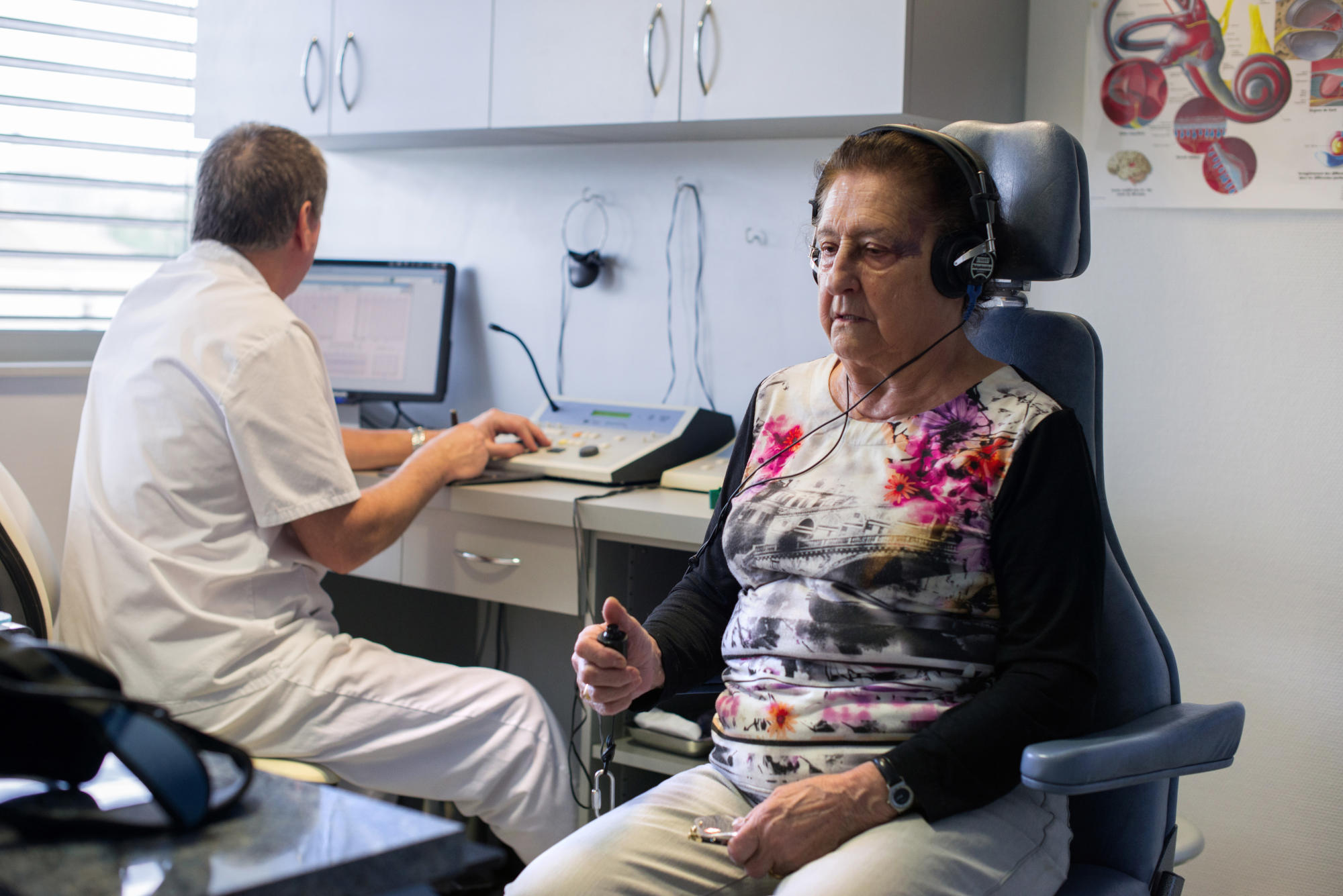
Even if cost were not a hurdle, many adults don’t think to get their hearing checked in the first place — and they’re unlikely to get prodded by a physician. In 2021, the U.S. Preventive Services Task Force, which makes recommendations about screenings and other clinical preventive services, issued a statement concluding that “evidence is insufficient” to determine if it’s beneficial for physicians to identify and treat hearing loss in people who haven’t raised concerns about their hearing.
This is not a recommendation against screening, said Task Force chair Michael Barry, a primary care clinician at Massachusetts General Hospital: “It’s ‘we don’t know, and we need more research.’”
Still, coming from a respected body of national experts that shapes the practice of evidence-based medicine with preventive care guidelines, the inconclusive statement holds sway. Practically speaking, it means that hearing loss is not built into automated health care maintenance reminders the way screenings for cancer, dementia, and home safety are, said Catherine James, a retired physician who worked in clinics in San Francisco for 25 years and considers Task Force recommendations useful and “free from big pharma influence.”
The primary care panel’s advice tends to be conservative — “less interventionist” than medical specialty societies, Bay Area primary care physician Vera Zeldovich told Undark. She noted, for example, that the American Cancer Society recommends annual mammograms for women ages 45 to 54 whereas Task Force guidelines suggest this screening every two years starting at age 50. (A more recent draft of the panel’s breast screening guidelines, which is not yet official, lowers the age to 40.)
Hearing loss is not built into automated health care maintenance reminders the way screenings for cancer, dementia, and home safety are.
Primary care physicians also have limited time to spend with each patient, and generally have a lot to squeeze into clinic appointments. Checking on hearing ranks low on the priority list, Lin said: “It’s just not pragmatically possible in the context of a 20-minute visit.”
Yet hearing struggles burden some 40 million U.S. adults. In a 2019 survey, nearly 49 percent of Medicare beneficiaries reported having hearing loss, more so than heart disease, osteoporosis, or cognitive decline.
Research shows that hearing difficulties put people at greater risk for loneliness, depression, and falls. Hearing loss may also have implications for brain health. In a 2020 report for the medical journal The Lancet, a global team of experts found that untreated hearing impairment was the largest potentially modifiable risk factor for dementia. And a large clinical trial published by Lin and colleagues this summer found that addressing hearing loss can actually slow cognitive decline in some older adults.
The three-year study enrolled nearly 1,000 older adults with untreated hearing loss from multiple locations in the U.S. Half were randomly assigned to receive hearing-related counseling and hearing aids, while the other half received generalized counseling on healthy aging, as a control intervention. Among participants whose health profiles put them at higher risk of cognitive decline, the researchers found that using hearing aids was protective: Their mental faculties slipped 48 percent less than high-risk patients in the control group. While past studies had linked hearing deficits with various health risks, this was among the first to convincingly show a tangible health benefit from wearing hearing aids.
But even if those results had been available several years ago when the Task Force was reviewing evidence for its latest hearing loss recommendation, they might not have had much impact. The “question is not just whether the intervention helps,” Barry explained. “It’s whether there is a proven pathway from screening to intervention to improved health.”
The Task Force’s last two hearing loss statements relied heavily on data from a single randomized trial published in 2007. That study enrolled 2,305 U.S. veterans. Among those who had an exam suggesting hearing loss at tested frequencies, less than 10 percent were actually doing anything about it one year later.
In this case, the fact that hearing aids remain underused and undervalued may have prevented the U.S. screening recommendation. The World Health Organization, on the other hand, suggests regular hearing screening for adults ages 50 and up every five years, with screen frequency increasing to every one to three years from 65 years of age.
With experts divided over screening recommendations and U.S. primary care focused more on treating life-threatening conditions than on promoting wellness, it’s often up to patients to take action on their hearing.
After getting by without hearing a thing from his right ear since the late 1990s, McKonly, the furniture maker, started noticing possible lapses during the past year or two — often when driving his son to and from school. “My left ear is the one that’s facing the window, so I have trouble with conversations in the car,” he said. He also recalls having a hard time talking with customers at furniture shows last year.
But even more than noticing his own struggles, what really drove the issue home, McKonly said, was witnessing hearing loss in his family members — “stubborn old men who are, like, ‘what? what?’ all the time and could really benefit from hearing aids but won’t go there.”
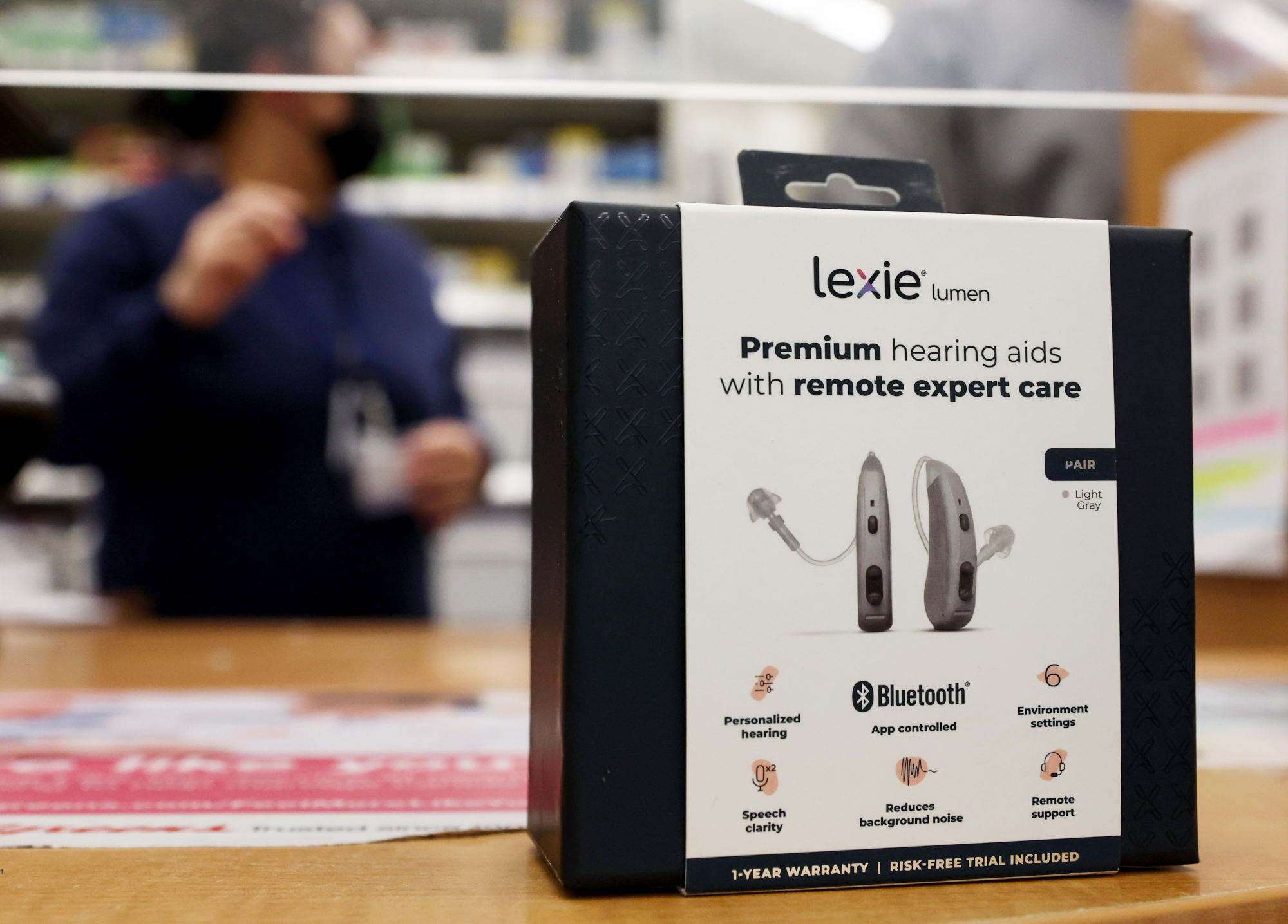
Seeing their resistance take a toll on the family, McKonly decided he could no longer ignore his own hearing struggles. Something helped spur him into action: Last year, the FDA defined a new category of over-the-counter hearing aids for adults 18 and over with “perceived mild to moderate hearing loss.” Sold at retail stores and online, these devices can be purchased without a prescription.
Several years ago, Lin and colleagues at Johns Hopkins introduced a concept called the Hearing Number — an average of how loud four frequencies of sounds must be for a person to hear them. This metric represents hearing on a scale of 0 to 100 decibels, where numbers below 10 denote the ability to hear very soft sounds, and values 65 and above signify severe hearing loss. Over the past year, Lin and representatives from about a dozen technology companies worked with the Consumer Technology Association to make the Hearing Number the standard metric that gets reported to customers who use the companies’ devices to test their hearing.
“Stubborn old men who are, like, ‘what? what?’ all the time and could really benefit from hearing aids but won’t go there.”
Anticipation of these milestones evoked hope and anxiety. Public health advocates celebrated the concept, hoping it would lower costs and expand access to a vital intervention.
Some audiologists expressed worry that giving people direct access to hearing tests and hearing aids would hurt their business model, which has traditionally relied on bundled pricing that lumped the device cost with services, Lin said.
Surveyed in August 2022 just after the FDA ruling, less than 27 percent of audiologists said they would start selling OTC hearing aids, about 42 percent indicated they would “unbundle” their fees to compete with OTC hearing aid prices, and about 56 percent would support patients with OTC hearing aids purchased elsewhere. In another recent survey, about one in five audiologists said they will not sell or service OTC devices.
In discussions leading up to the launch of Hearing Number, hearing aid companies were “not very keen,” Lin said. On a call explaining the idea of a standard metric to equip people to measure their hearing and act on it, he recalled a director of marketing piping up in disbelief: “So, Dr. Lin, you’re telling me you want to emancipate the consumers?”
In a recent episode of his ListenUp! podcast, ENT physician Mark Syms likened the launch of OTC hearing aids to the Y2K moment — a season of panic about the possibility that a decades-old computer programming shortcut could bring banking and other information technology sectors to a halt as the year changed from 1999 to 2000. “I know people who were banking gold and silver,” Syms said, and yet there were no dire results. “It happened without a blip.”
The same can be said for OTC hearing aids, which some feared or hoped could shake up the industry but instead, have yet to make much of a dent. Based on survey data released in September by the American Speech-Language-Hearing Association, of the adults in the U.S. who have hearing struggles, just 2 percent have purchased an OTC hearing aid, and only 4 percent said they intend to purchase one in the coming year. Return rates also appear higher in OTC hearing aids, with one popular company reporting return rates of over 34 percent, compared to a 15 to 19 percent return rate for prescription hearing aids in the last few years.
Some hesitance may derive from a lack of quality data, which is important for motivating change in the medical community. When Alex Krist, a family physician in Fairfax, Virginia, counsels patients who say they’re having trouble with their hearing, he typically recommends going to an audiologist, since “that’s more the pathway in my community.” Sometimes he suggests the local Costco, which offers a free hearing test and sells several brands of hearing aids well below national average prices, with free follow-up appointments.
Krist tries to help his patients find cost-effective hearing aid options but at this point does not specifically recommend OTC devices. “As a physician, I’d actually like to see some studies comparing how well do the over-the-counter do compared to getting one that’s more tailored and prescribed by an audiologist,” he said.
Barring the occasional peer-reviewed publication, the vast majority of information on OTC hearing aids comes from online product reviews.
While primary care physicians tend to be more conservative in their recommendations to patients, audiology engineers are eager to innovate and appeal to consumers. Rather than thinking in categories, engineers tend to see hearing enhancement technologies on a continuum.
“It starts with something I put in my ear to answer a phone or play music, and it goes all the way up to coping with whatever level of hearing loss I have,” said technology strategist Nick Hunn, who chairs Bluetooth’s hearing aid working group. “That’s just different iterations of the technology.”
“As a physician, I’d actually like to see some studies comparing how well do the over-the-counter do compared to getting one that’s more tailored and prescribed by an audiologist.”
The underlying technology of OTC hearing aids is fundamentally similar to prescription hearing aids. What differs is the user. Whereas prescription hearing aids typically serve the segment of patients with more severe difficulties, OTC hearing aids are aimed at adults who perceive “mild to moderate” hearing loss. Within the OTC category, devices have preset self-fitting procedures to test hearing and adjust their audio programs. Plus, customers have a myriad of choices including style, comfort, and other features such as directional microphones, noise cancellation, and Bluetooth streaming of phone and video calls. The diversity of options makes it hard to do head-to-head comparisons as might typically be done in medical research.
The picture is further complicated by “hearables,” a term Hunn coined in 2014 to describe in-ear devices with various health and audio features — including, in some cases, hearing enhancement capabilities that some think could potentially help people with mild hearing loss.
“Hearables” overlap with a category of devices called personal sound amplification products, or PSAPs, which the FDA regulates as consumer electronics — unlike hearing aids, which are medical devices. Both PSAPs and hearing aids amplify sound for the user but have different intended uses. Hearing aids “make up for impaired hearing” whereas PSAPs “are intended for people with normal hearing to amplify sounds in certain situations, such as recreational activities like birdwatching or hunting,” FDA press officer Carly Pflaum explained in an email to Undark.
In the view of scientists who build and test these products, “people with hearing loss generally just have enhanced difficulties in all the things that normal hearers have,” said Nicky Chong-White, a hearing technology developer at the government-funded National Acoustic Laboratories in Sydney, Australia. For example, anyone may have trouble hearing, at times, in noisy places, she said, but “people with hearing loss have a really elevated difficulty. They can’t separate out background noise from the person they’re trying to listen to.”
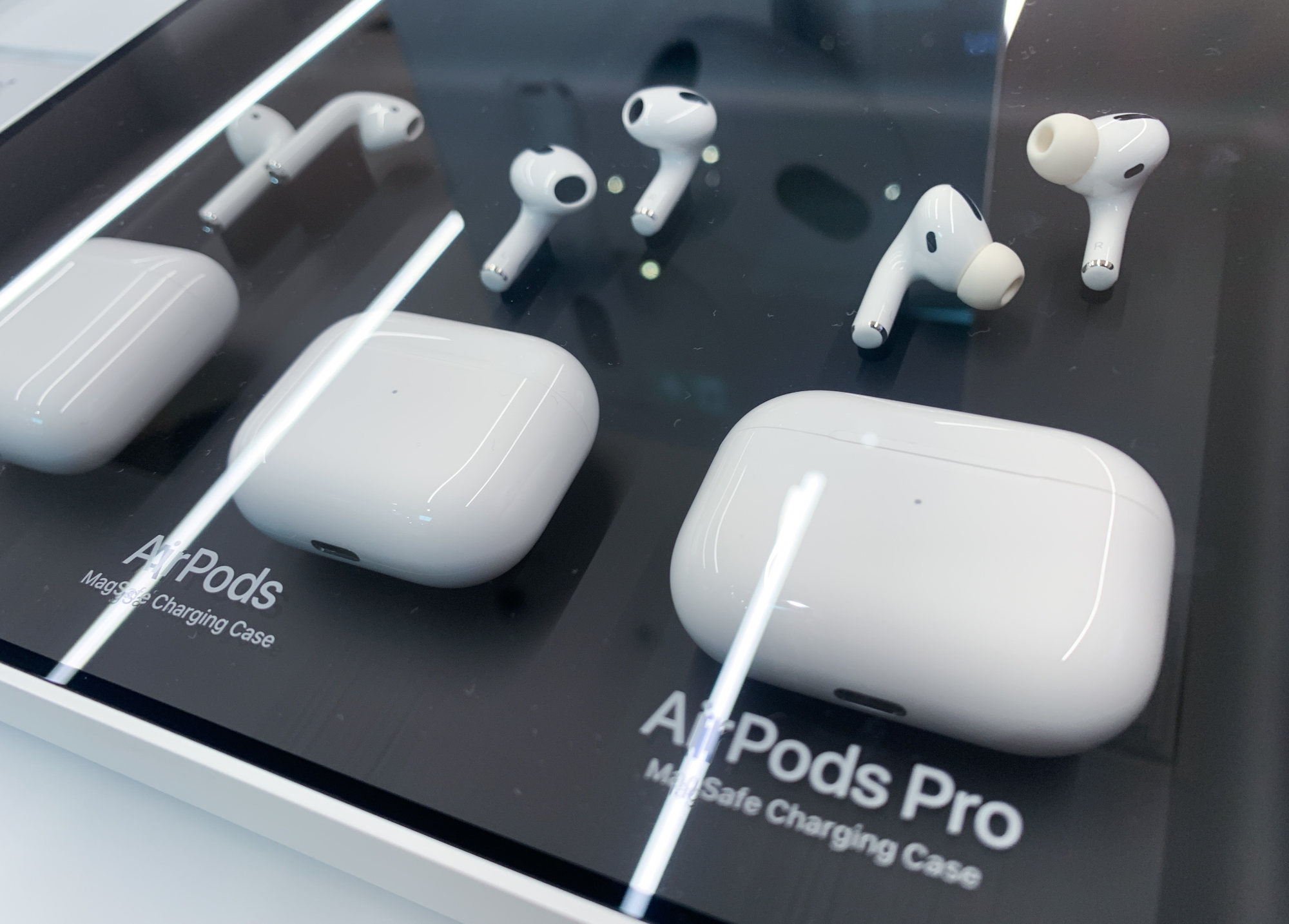
In 2014, Apple released a feature called Live Listen to help in these very situations, by using the iPhone as a remote microphone when paired with hearing devices. For example, in a noisy room, placing the phone next to the speaker could relay their speech, using Bluetooth wireless technology, straight into someone’s hearing aids or earbuds. While earlier iterations suffered from an echo, newer-generation AirPods can amplify sound with no perceptible delay and provide personalized amplification based on a user’s hearing test results.
Analyses by Chong-White and colleagues suggest that AirPods Pro work comparably to hearing aids for sounds at normal speech levels, though it overamplified loud sounds and underamplified soft sounds. And in a different study, the researchers found that the earbuds can help people who have normal audiograms but struggle to hear in noisy environments.
These devices are not going to replace hearing aids, Chong-White said. Their batteries don’t last all day, they cannot be fine-tuned as well, and generally aren’t as comfortable for long-term wear. “But for the population that’s not yet ready for hearing aids — they’ve got difficulty sometimes but not all the time — it’s a good option to have,” she added.
No matter how people with hearing loss access technology, some experts say the end result is what matters. “Hearing is a spectrum,” said Hunn. “At the end of the day, you want conversation. You want sound. You want to enjoy it.”
UPDATE: An earlier version of this story referred to the U.S. Preventive Services Task Force as a primary care agency, rather than a primary care panel. The text has been updated. Additional context has also been added regarding the Task Force’s guidelines on breast cancer screening.


It can seem risky but sometimes the price is so low you can throw them away if it does not work out. Chinese web sites like TEMU.
Too often people purchase either expensive hearing aids or the OTC version, and do not realize it can take weeks to adapt to them. Furthermore, depending upon the type of hearing loss (think eyeglass prescriptions) it is difficult to get a good fit.
People are getting OTC devices, but they cannot maintain them without professional help. 80% of the time when a patient comes in with malfunctioning devices, they just need cleaning and wax filters and domes replaced, but they don’t have the dexterity or the parts to do so. Some are coming in with wax impaction and they have never had a diagnostic test or they’ve just tested themselves over a phone app. There’s a reason we pay several hundred dollars to get our equipment calibrated every year and conduct thorough testing in a sound booth. Too many people are buying devices that are not adequate for their loss. With bluetooth streaming and apps, patients are increasingly coming in to reconnect their devices to their phones and they don’t know how to troubleshoot or use the apps. Patients need our support now more than ever. It is time intensive work that we provide at no charge if they purchase from us, but they have to pay out of pocket for our services if they purchase online. Insurance companies have never reimbursed audiologists for their years of follow-up care even though hearing aids are useless if they are not fit properly, kept in functioning order, and can be sent to the manufacturer at no charge. Without our help, many patients will just end up putting them in the drawer. The FDA ruling didn’t just lower the quality of care, they took care completely out of the equation and people with hearing loss are suffering as a result.
There are two significant barriers to overcoming the arrogant money grubbing behaviours of the past hearing aid industry. 1st is the price. They are still on the market overpriced for simple tech, and even Costco has them overpriced. 2nd Simple tech means volume only. To repair hearing loss you need to tune your own sound profiles thru a phone using Bluetooth. The only combo that works is from Apple, and that means for me a new phone with the hearing aid for a cost over $3000. 3rd Noise suppression is getting ubiquitous, but not reviewed or rated by a trusted entity. 4th is battery tech. I bought a pair after the deregulation and got burned bad by batteries that lasted four hours, then quickly deteriorated to 20 minutes after two weeks. I was too eager, now twice shy. 5th is a trusted rating system that will tell the relative truth about the products on the market. It will take another hard year for the bad guys to be flushed out and the quality of each product becomes obvious. Meanwhile, my horn works fine. As it did for my granddad.
Very helpful. As a musician in my 70s, I’ve lost a lot of my higher frequency recognition. I have purchased OTC aides and wear them selectively. They are especially helpful in social/public settings. I certainly recommend them to others, especially in my age range, as a way to better engage in conversation.
This was a very important and helpful article for me and my family.
Thank you for the informative and thorough article!
One of the reasons I’ve noticed is health plans have changed to purposefully discourage OTC hearing aids. I had a set of Eargos that I got for free bc of insurance ($2500 value) a few years ago through BCBS. The new 2024 plan updates now require prior approval for all hearing aids, limits coverage to one pair every 5 years, and OTC products are no longer allowed for any coverage at all. Private insurance companies have eliminated the best path for hearing aids for people that need them…even for the high end Standard plan through BCBS. This doesn’t benefit individuals at all, it harms them. Plus, changing to every 5 years is glacial. The tech improvements in 5 years will be astronomical compared to today’s non-OTC hearing aids. Do a search for “hearing” in this document and you’ll see https://www.fepblue.org/open-season/-/media/PDFs/Brochures/Standard-and-Basic-Option-brochure-2024.pdf?la=en&hash=94603143371DCA8511A006A525739959